

Swinefleet Peat Works
Client: 4R Group - Location: Swinefleet, East Riding of Yorkshire
Services Used
Species Found

Bats
Historic Industrial Site & Protected Landscape
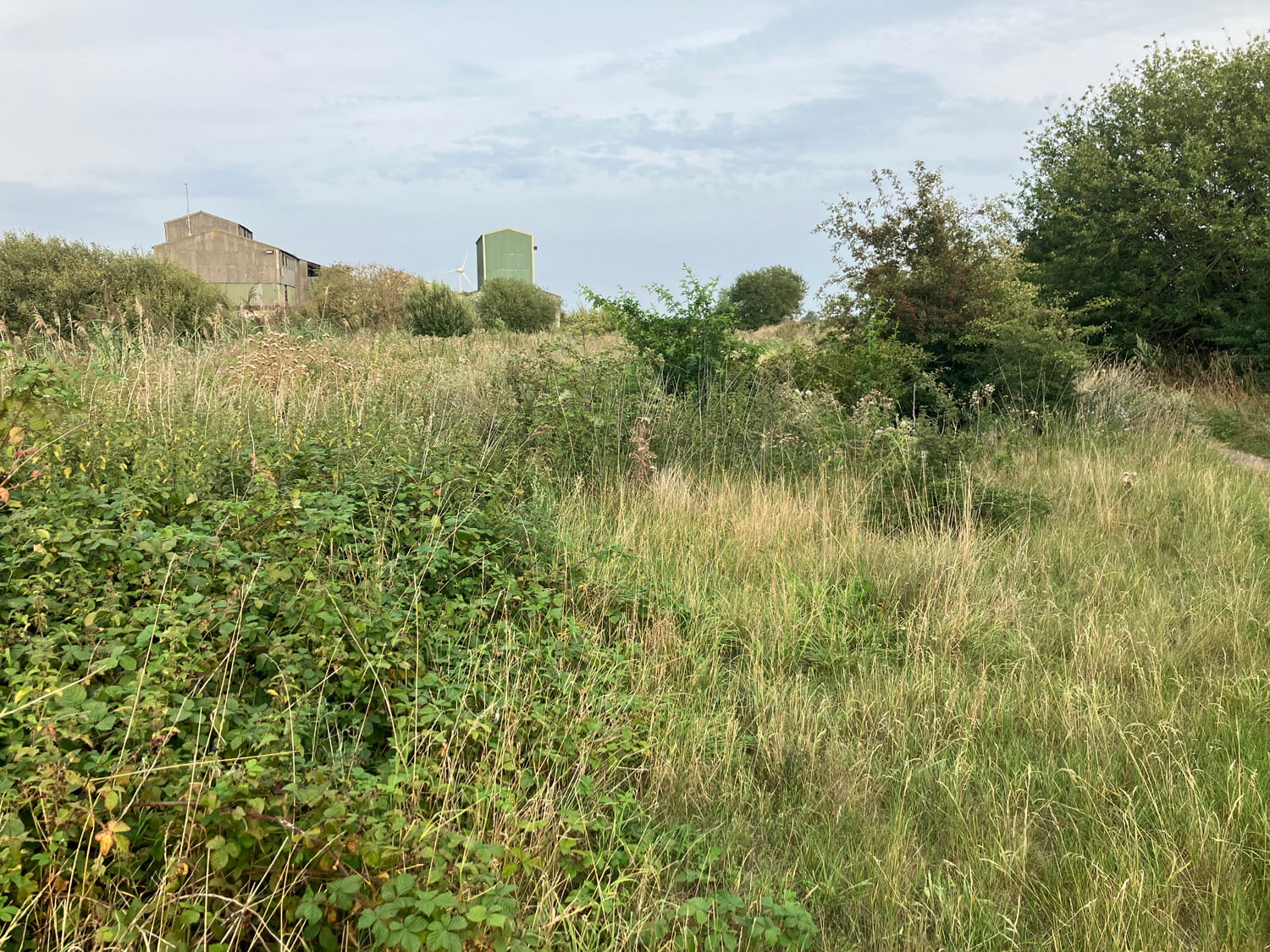
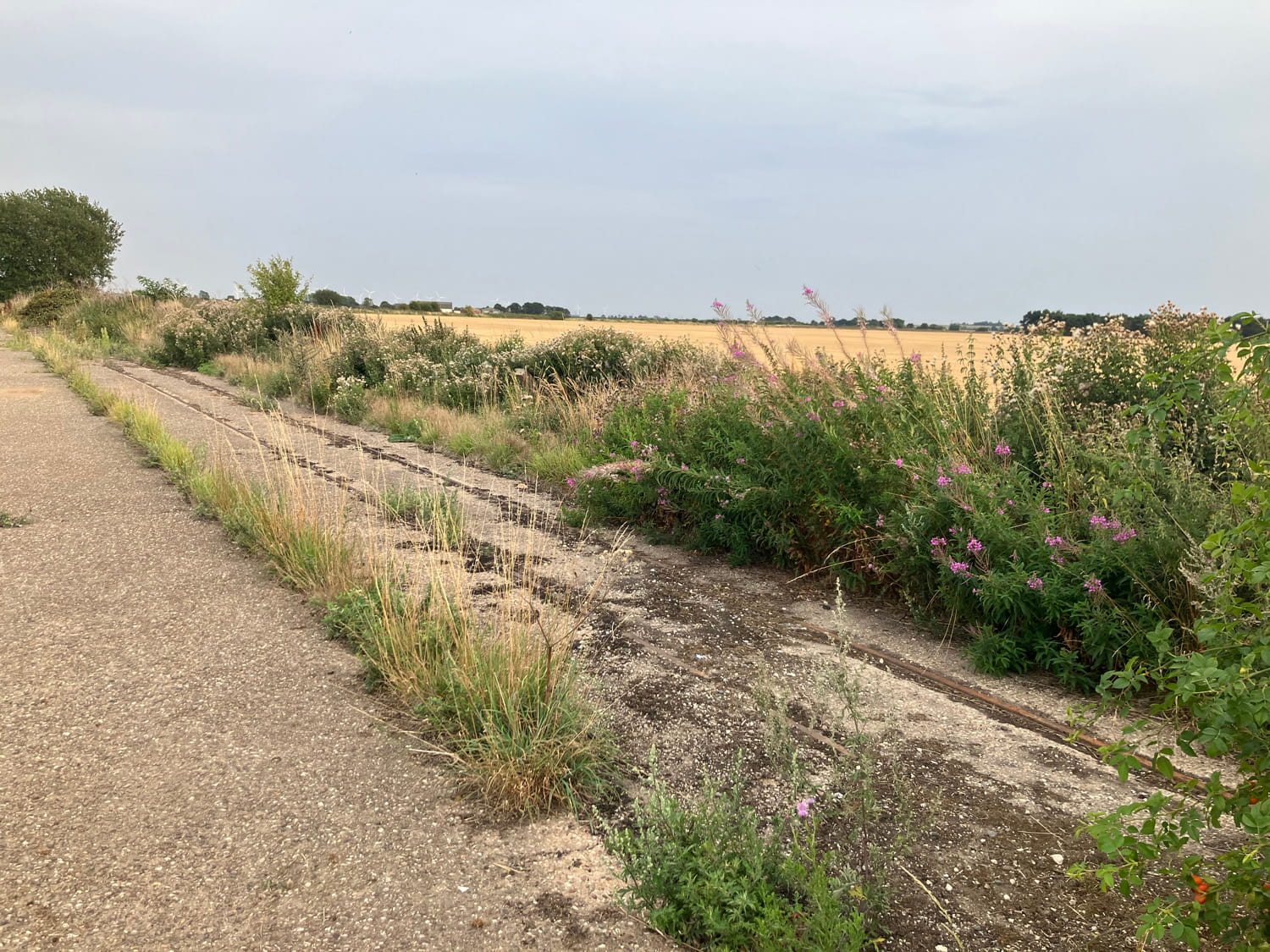
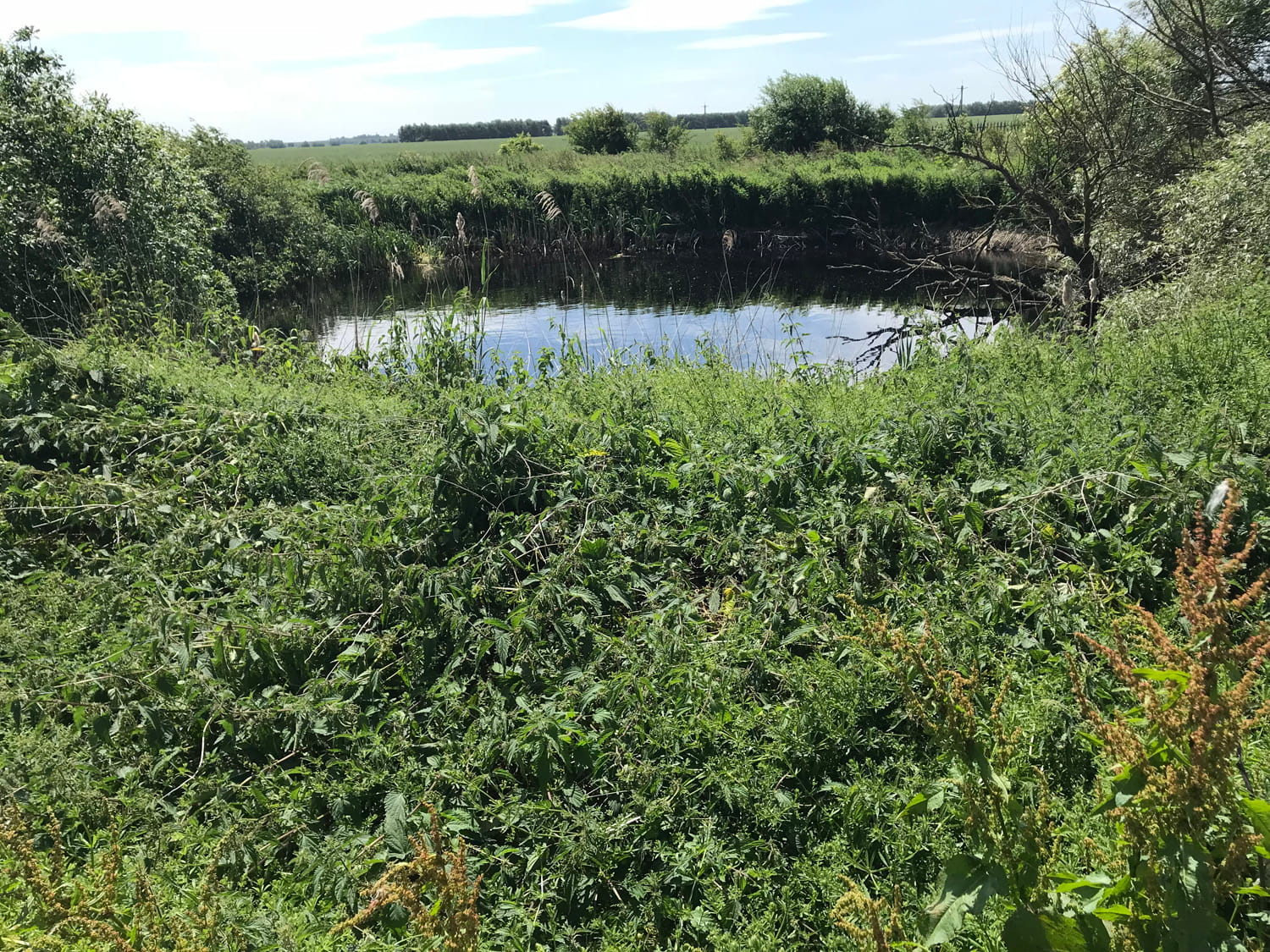
South of the village of Swinefleet, near Goole, lie the former workings of the Swinefleet Peat Works. Established as early as 1886, the site was historically used for peat extraction, storage and processing and remained operational until 2005. The peat works are still linked by a narrow-gauge railway and were supplied from the neighbouring Thorne, Crowle and Goole Moors. Together with the adjacent Hatfield Moors, these areas form the largest expanse of lowland raised bog in Britain, a rare and internationally important habitat recognised for its role in carbon sequestration and its support of a wide range of specialist flora and fauna. As a result, the surrounding moorland is designated as a Site of Special Scientific Interest (SSSI), Special Protection Area (SPA) and Special Area of Conservation (SAC), reflecting the highest level of ecological protection.





Initial Ecological Support
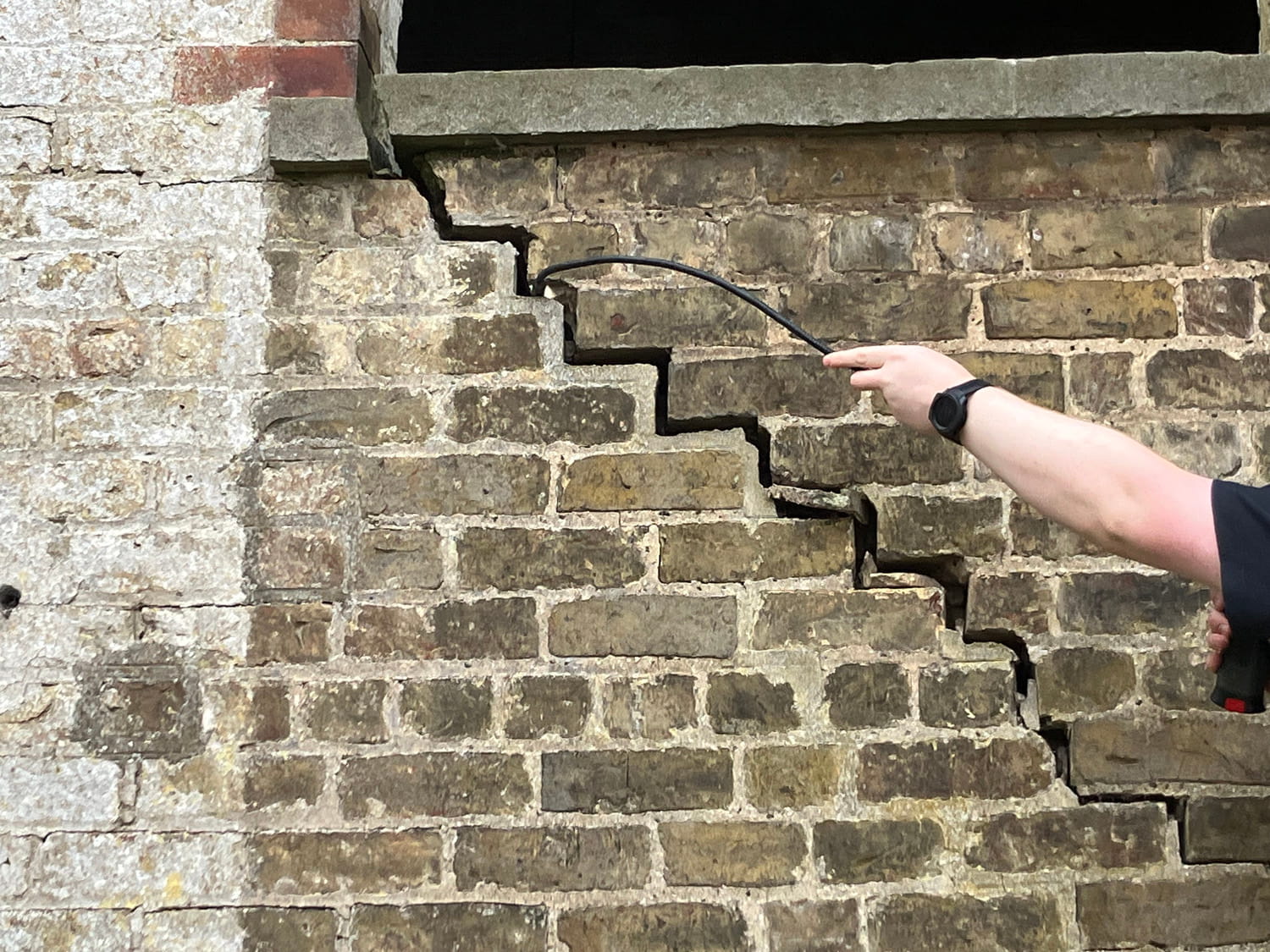
Whitcher Wildlife Ltd first became involved at the site in 2018, undertaking bat surveys that identified a small number of common pipistrelle day roosts within existing structures. A licence was secured at that time; however, development did not progress due to changes in wider project circumstances. More recently, proposals have been revived to bring the site back into use as a recycling facility, and Whitcher Wildlife Ltd has again been commissioned to provide ecological support.

Supporting Sustainable Redevelopment
Our current involvement has included the delivery of a Preliminary Ecological Appraisal (PEA), Ecological Impact Assessment (EcIA) and updated dusk emergence surveys, which confirmed continued use of the site by the same bat roosts identified previously. This ongoing use highlights the strong roost fidelity shown by bats, particularly in open landscapes where alternative roosting opportunities are limited. Whitcher Wildlife Ltd continues to support the project through the planning process, including advising on Biodiversity Net Gain (BNG), bat licencing and, where required, providing input to the Habitats Regulations Assessment to ensure that development proposals are progressed in a manner that safeguards protected species and designated sites.