
Services
We provide a comprehensive range of ecological consultancy services to support development, infrastructure and land and property management projects of all scales. We aim to offer practical and proportionate advice that helps clients meet legislative requirements while delivering both their intended goals and effective outcomes for nature.
Preliminary Ecological Appraisals (PEA)
A Preliminary Ecological Appraisal (PEA) is usually the starting point for most planning applications where development may affect semi-natural habitats.
Ecological Impact Assessments (EcIA)
An Ecological Impact Assessment (EcIA) is typically the final stage of ecological assessment required to support a planning application.
Biodiversity Net Gain (BNG) Assessments
Biodiversity Net Gain (BNG) is a planning requirement intended to ensure that development leaves biodiversity in a measurably better state than before.
Bat Surveys
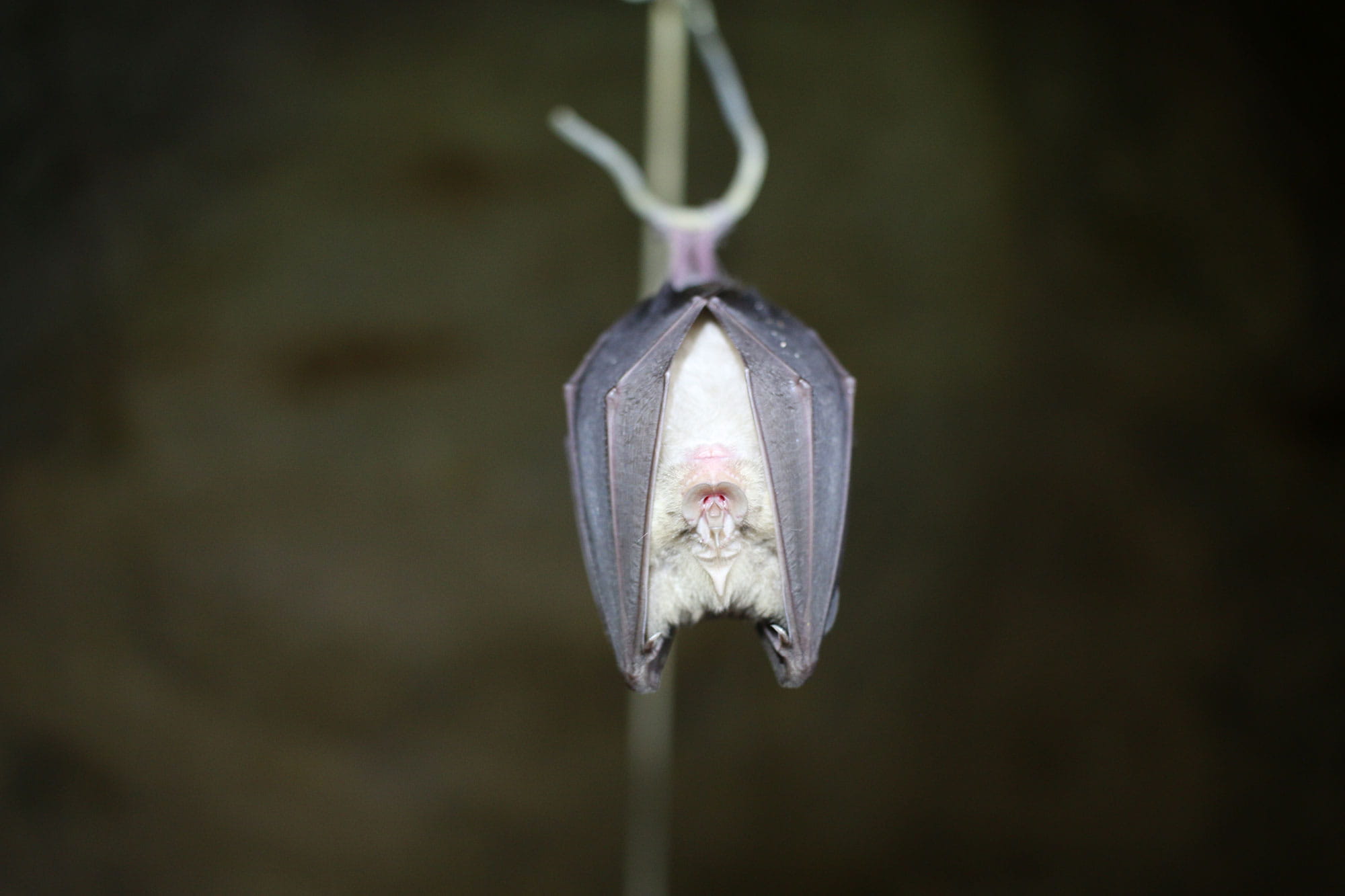
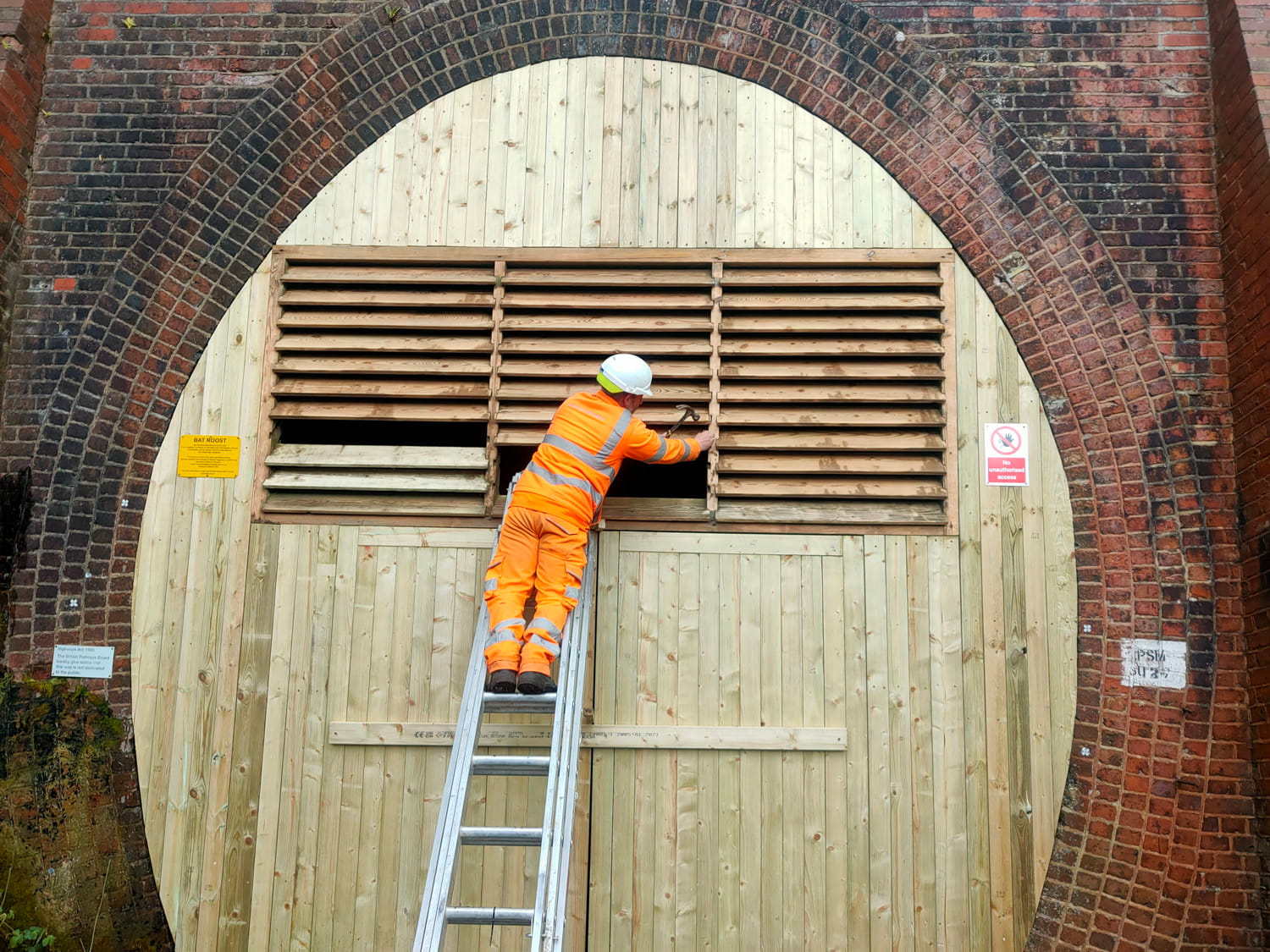
Bat surveys help identify whether bats are present, how they are using a site, and what measures are needed to allow works to proceed lawfully while protecting this important group of species.
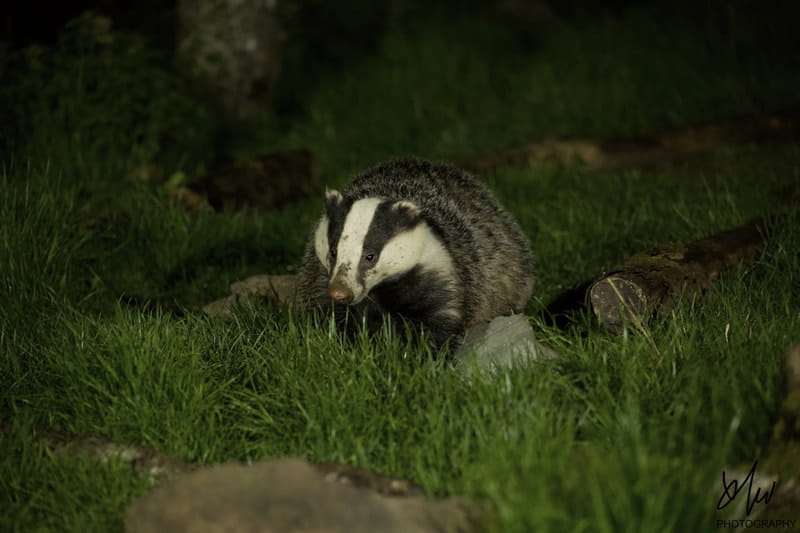
Badger Surveys
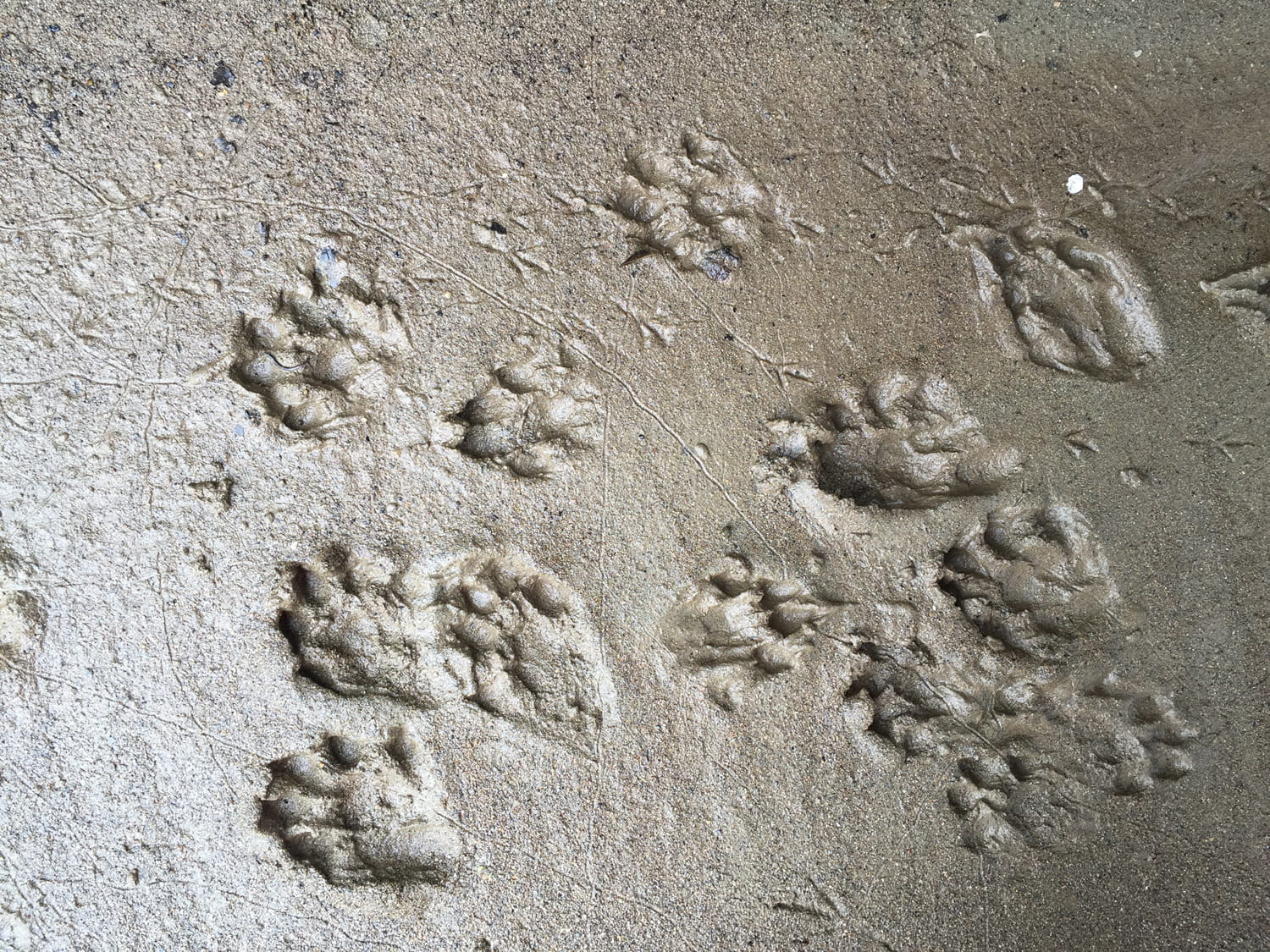
Badger surveys look to locate and categorise any setts present and record wider signs of activity, including paths, dung pits, latrines and foraging evidence.
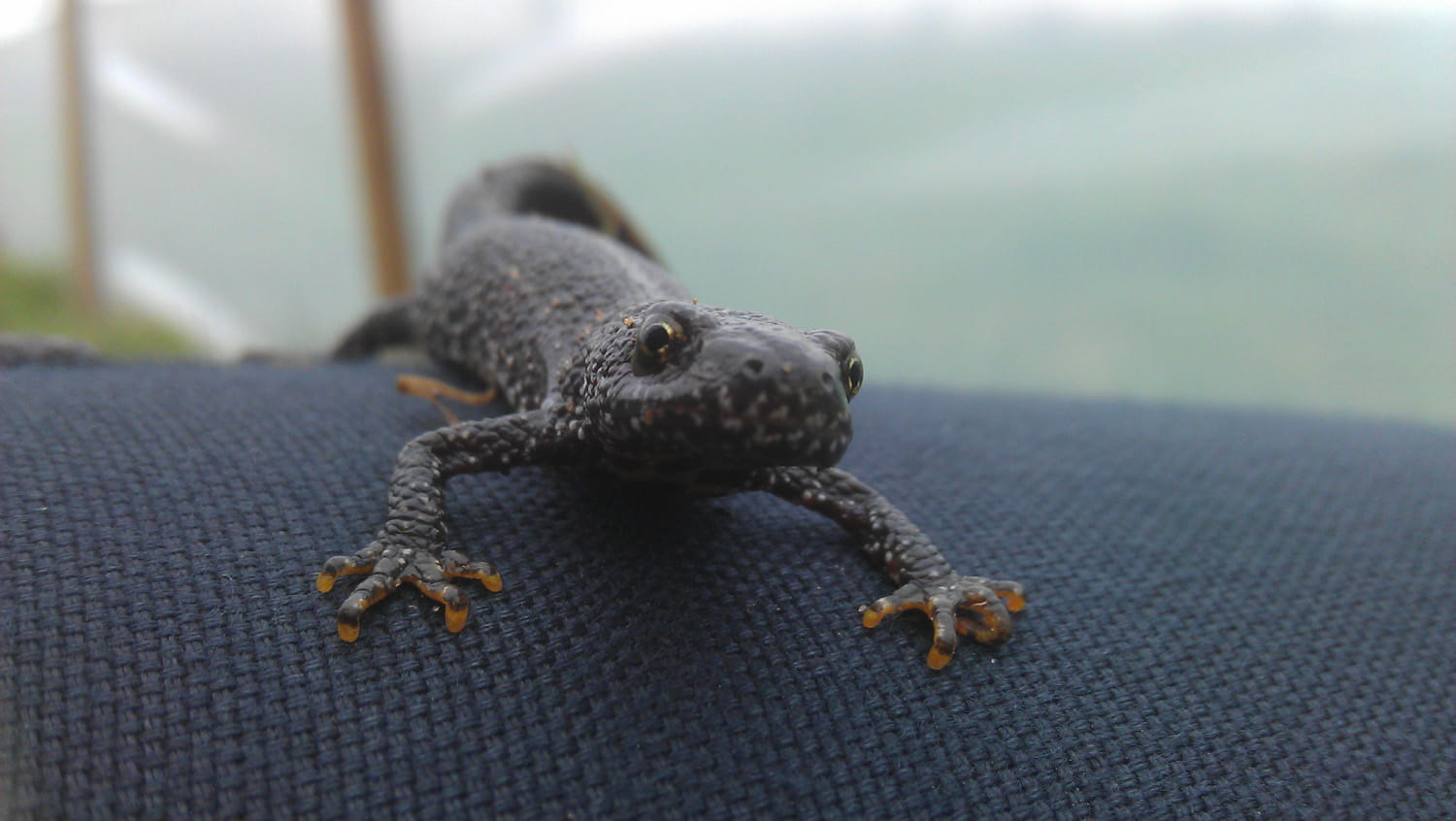
Great Crested Newt Surveys
Surveys for great crested newts are undertaken in a number of stages and the approach taken will depend on the nature of the site, the habitats present and the project proposals.
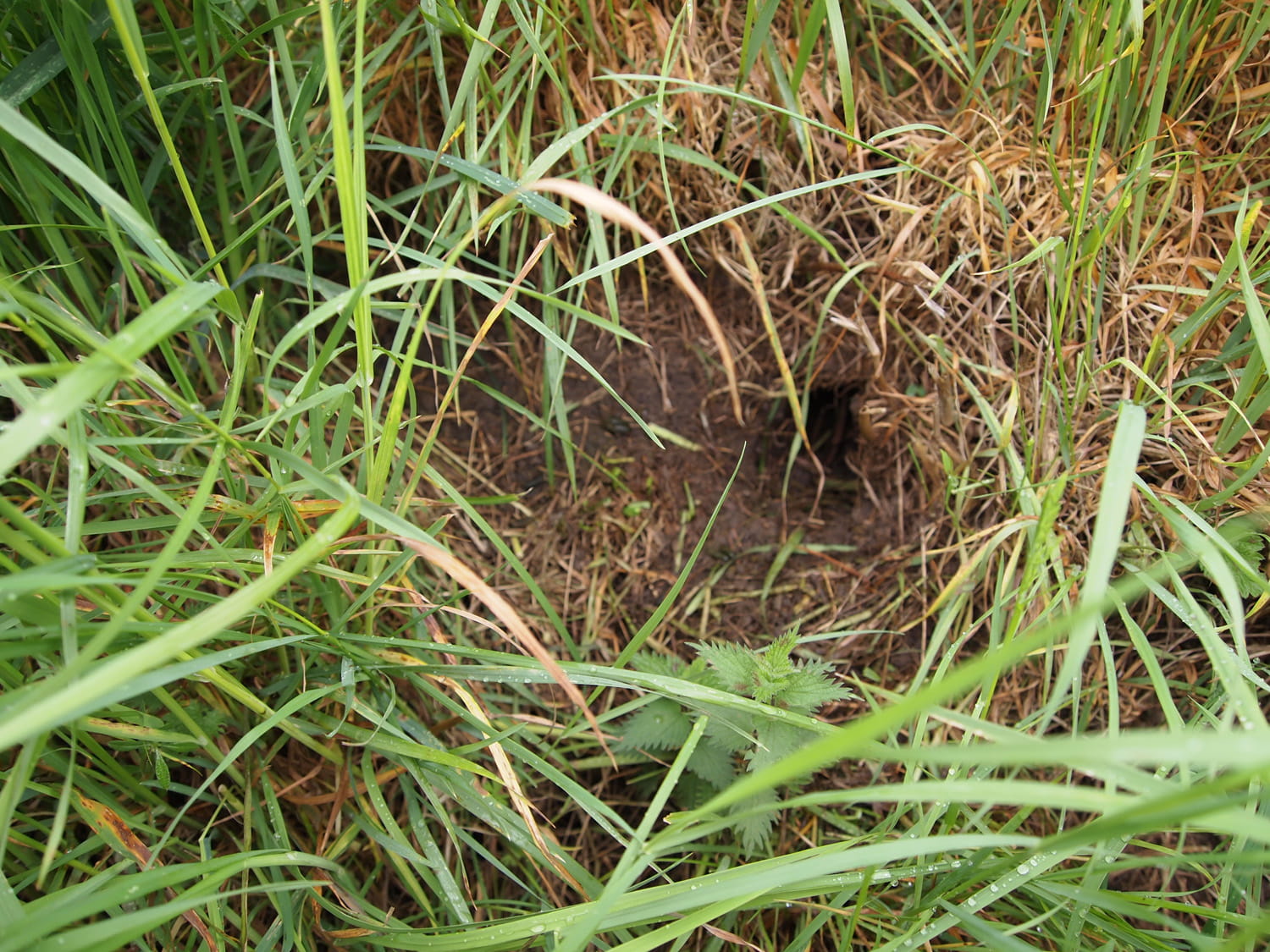
Water Vole Surveys
Whitcher Wildlife Ltd surveyors are experienced and fully equipped to undertake water vole surveys across a wide range of sites.
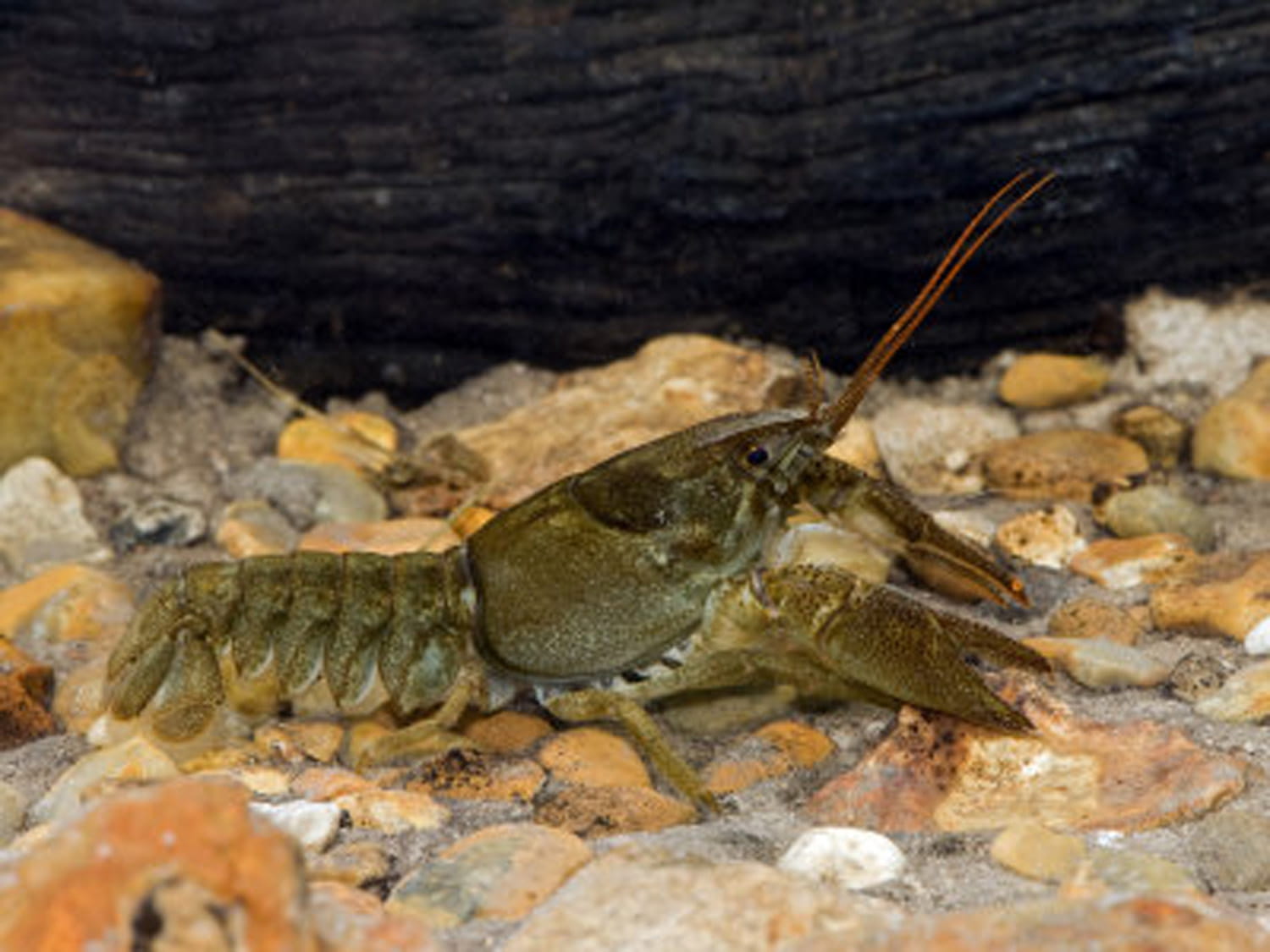
White-Clawed Crayfish Surveys
White-clawed crayfish surveys are typically carried out following an initial site assessment, which allows the most appropriate survey methodology to be selected for the waterbody in question.
Otter Surveys
Whitcher Wildlife Ltd has extensive experience and specialist training in all aspects of otter survey and assessment, allowing us to deliver robust, proportionate advice across a wide range of sites and project types.
Beaver Surveys
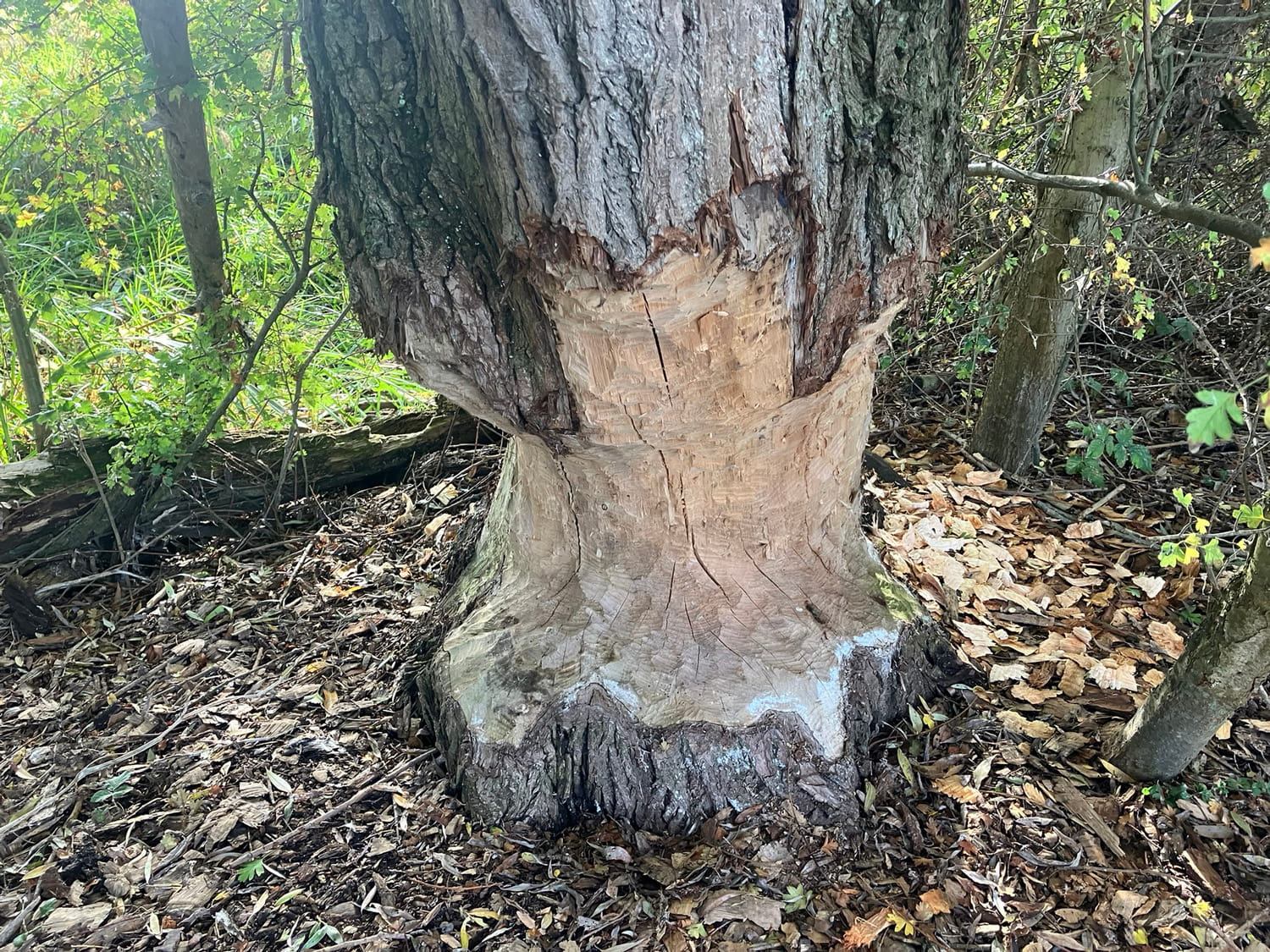
Surveys focus on identifying field signs of beaver activity, including dams, lodges, feeding signs, latrines and scent mounds, as well as assessing how beavers are using the surrounding habitat.
Hazel Dormouse Surveys
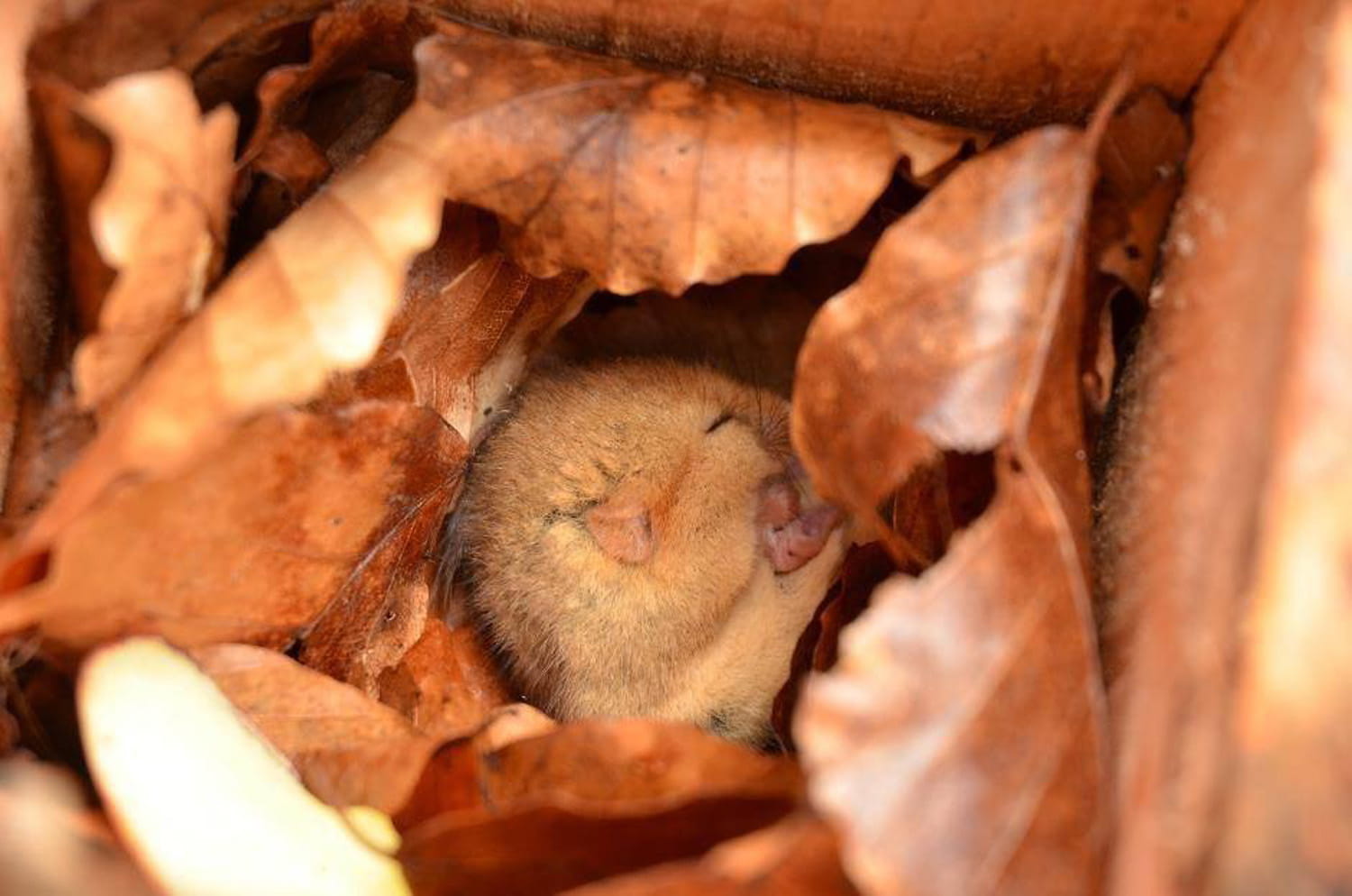
Dormouse work can be complex and programme-critical, and our team understands the importance of early, proportionate advice.
Reptile Surveys
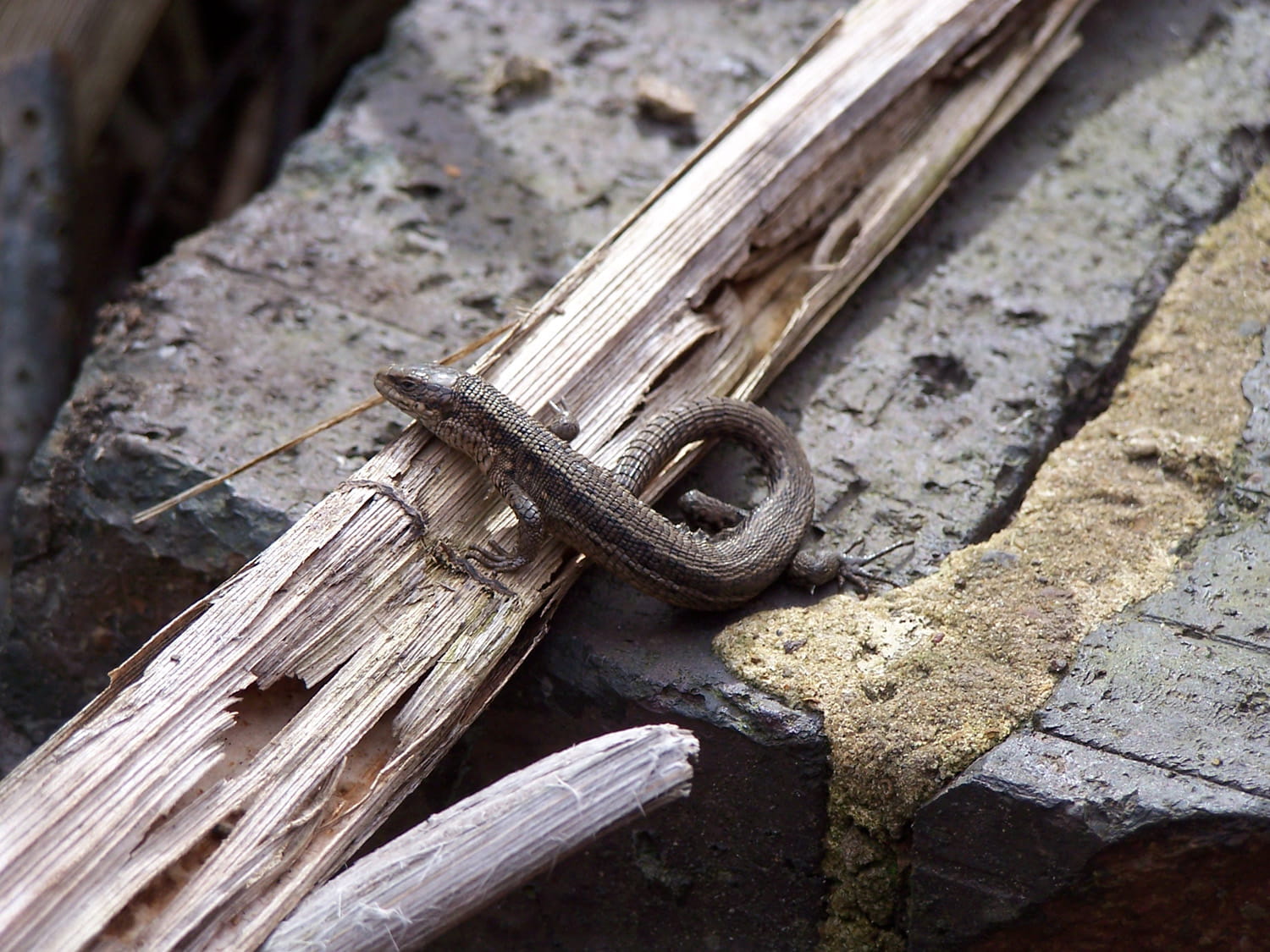
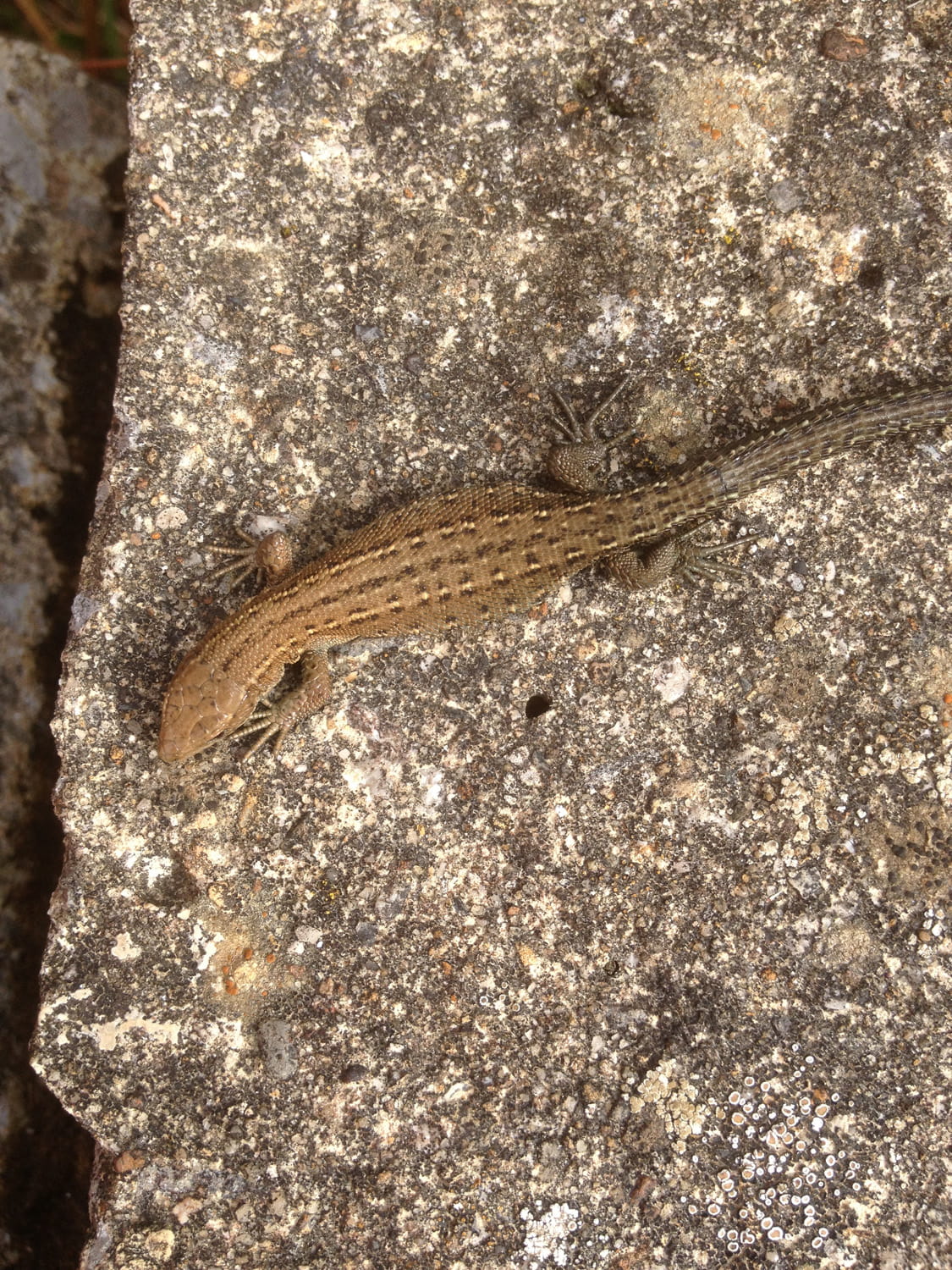
Whitcher Wildlife Ltd has extensive experience in reptile survey, mitigation and translocation for the common UK reptile species.
Bird Surveys
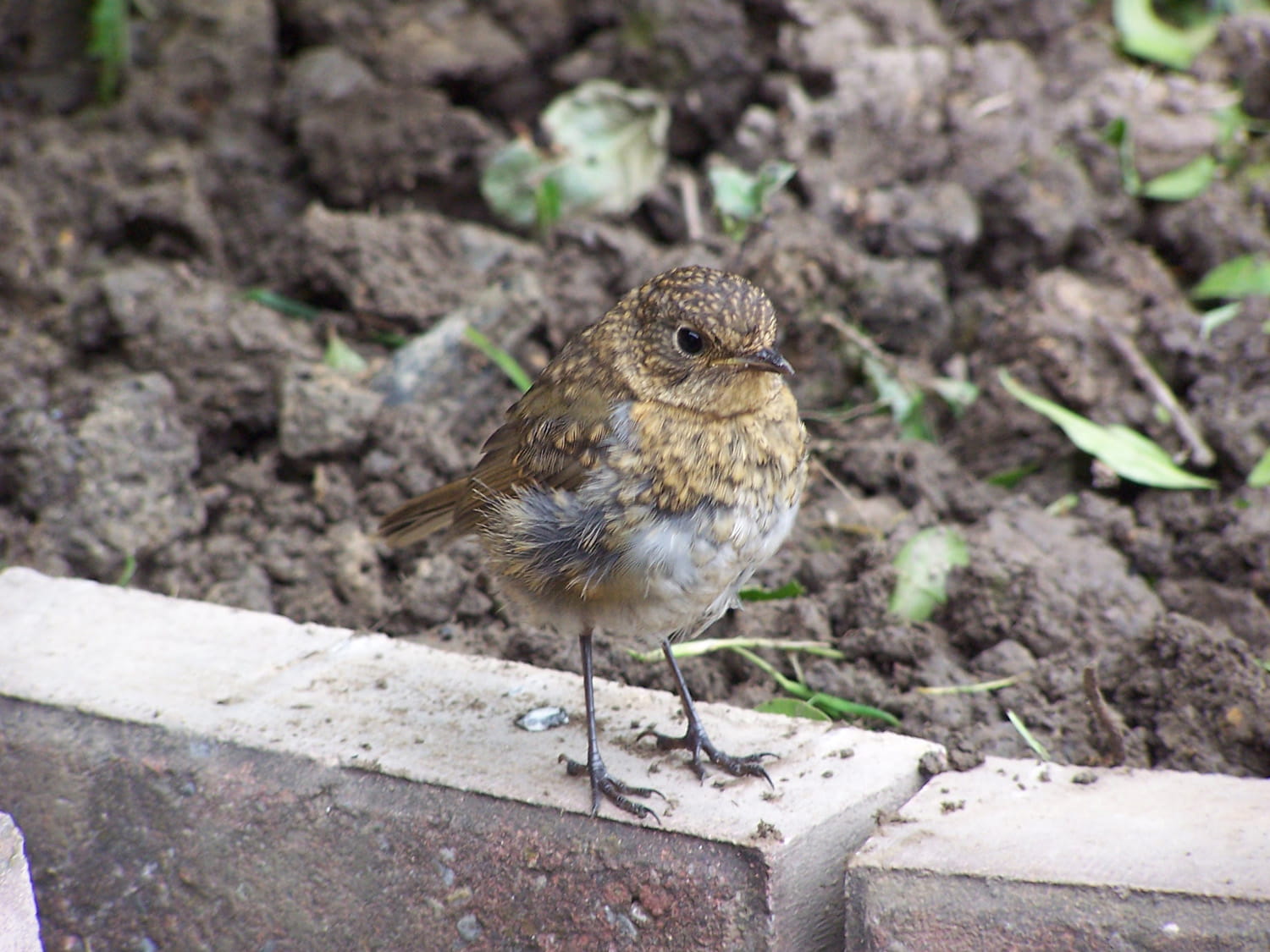
Bird surveys take a number of different forms, depending on the nature of the site and the proposed works.
Red Squirrel Surveys
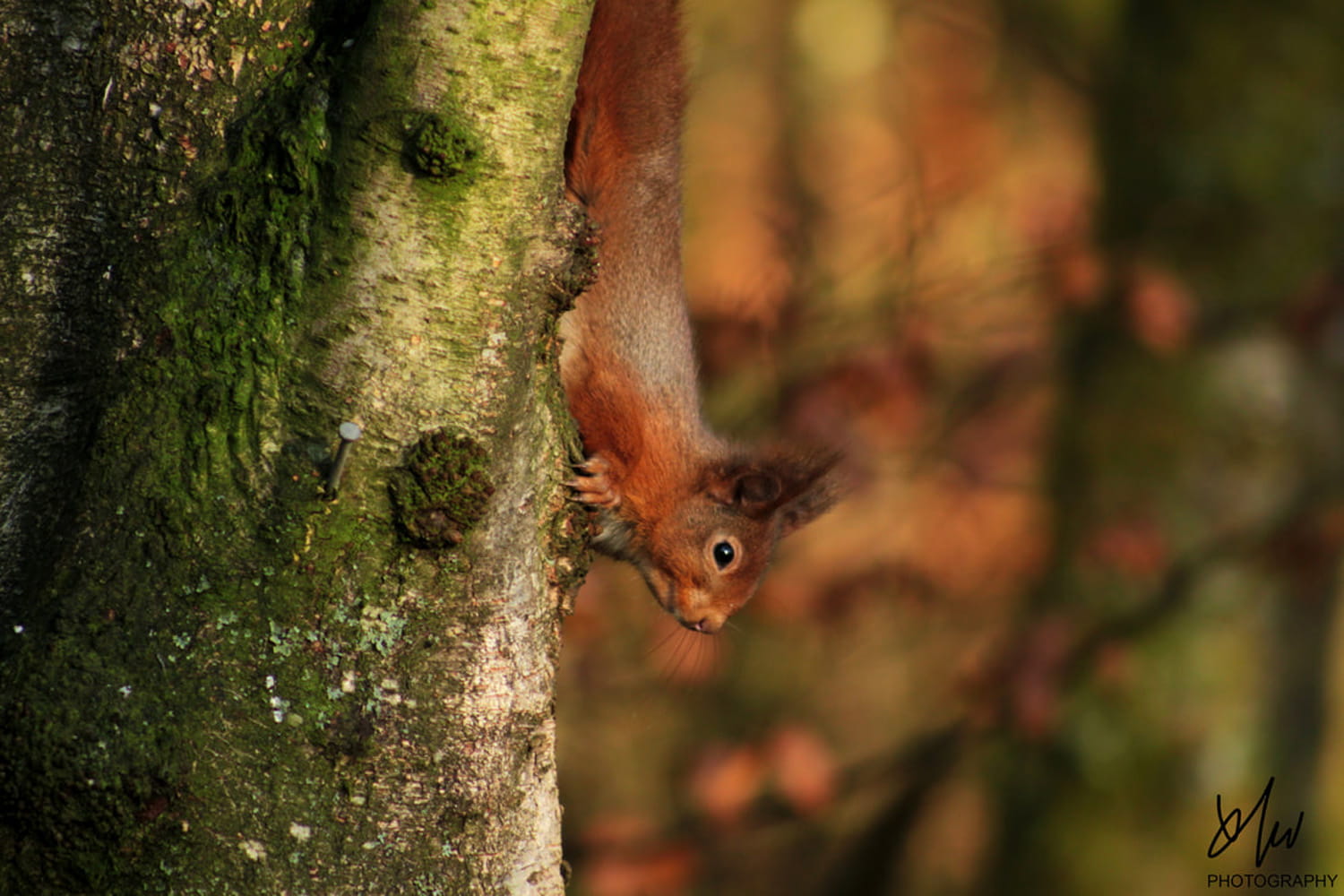
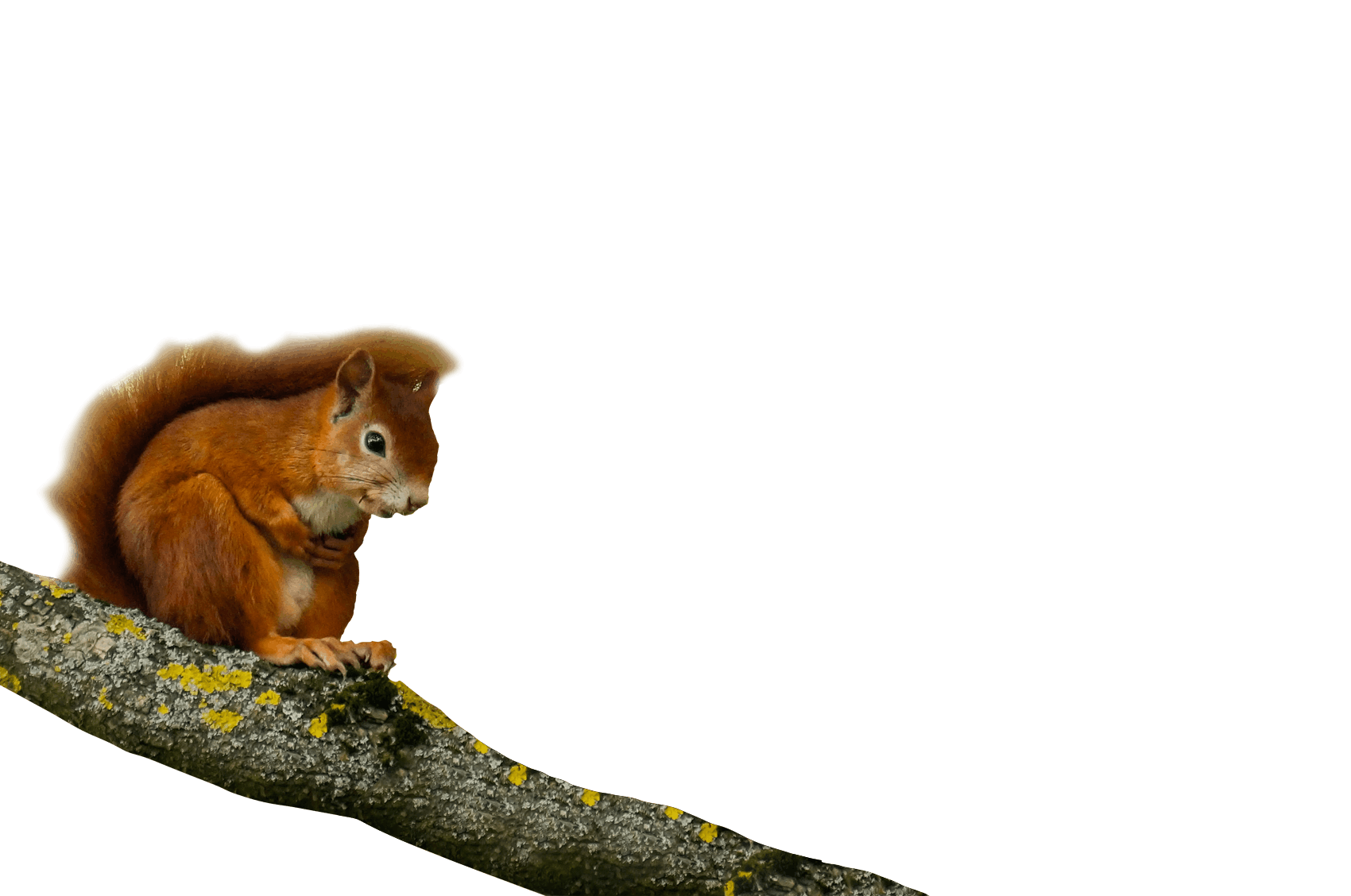
Whitcher Wildlife Ltd has experience in all aspects of red squirrel survey and assessment, providing clear, proportionate advice to support projects in areas where red squirrels may be present.
Rare and Geographically Restricted Species
Where potential for any rare or restricted species is identified, we provide clear recommendations on appropriate next steps.
Invasive Non-Native Species Surveys
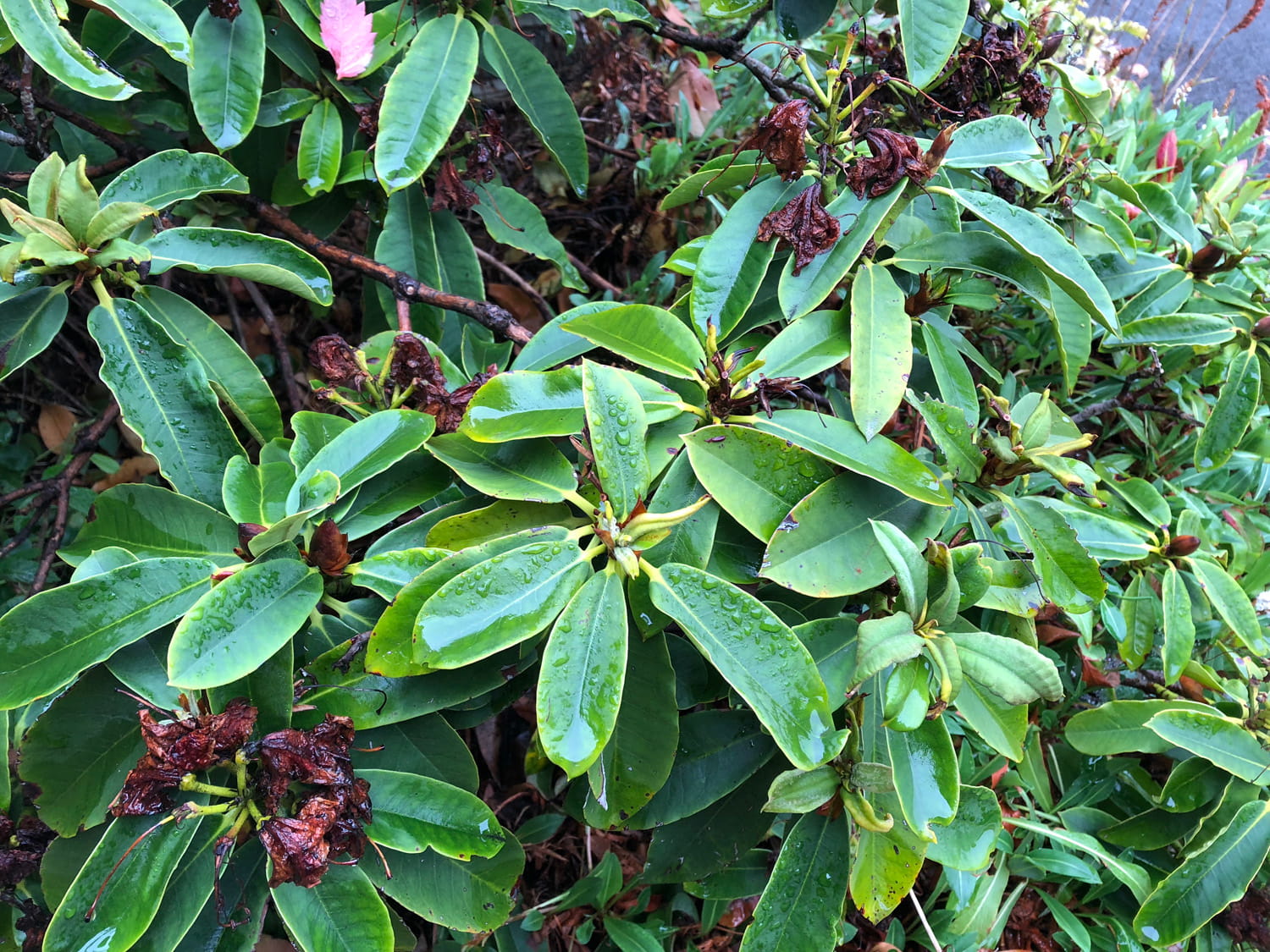
Whitcher Wildlife Ltd undertakes surveys to identify invasive non-native plant species across a wide range of sites.
NVC Surveys
Whitcher Wildlife Ltd has experienced botanists with the expertise to undertake National Vegetation Classification (NVC) surveys.
Licencing and Mitigation
In most cases, surveys and agreement of mitigation measures are required before planning permission is granted.
Shadow Habitat Regulations Assessments (HRA)
A Habitats Regulations Assessment (HRA) is required where proposed works may have the potential to affect a European protected site, either directly or indirectly.
Ecological Clerk of Works (ECoW)
An Ecological Clerk of Works (ECoW) can be appointed to ensure ecological compliance is maintained throughout a project, either for its full duration or during specific phases where works are particularly sensitive.