
Otter Surveys
What are Otter Surveys?
Otters are a legally protected species in the UK, with protection covering both the animals themselves and their resting places. Works that may affect watercourses, banks, structures or riparian habitats can therefore require otter surveys to establish presence and inform appropriate mitigation. Early assessment helps identify potential constraints and ensures works can be planned and delivered in compliance with legislation.

Watercourse Surveys & Assessment
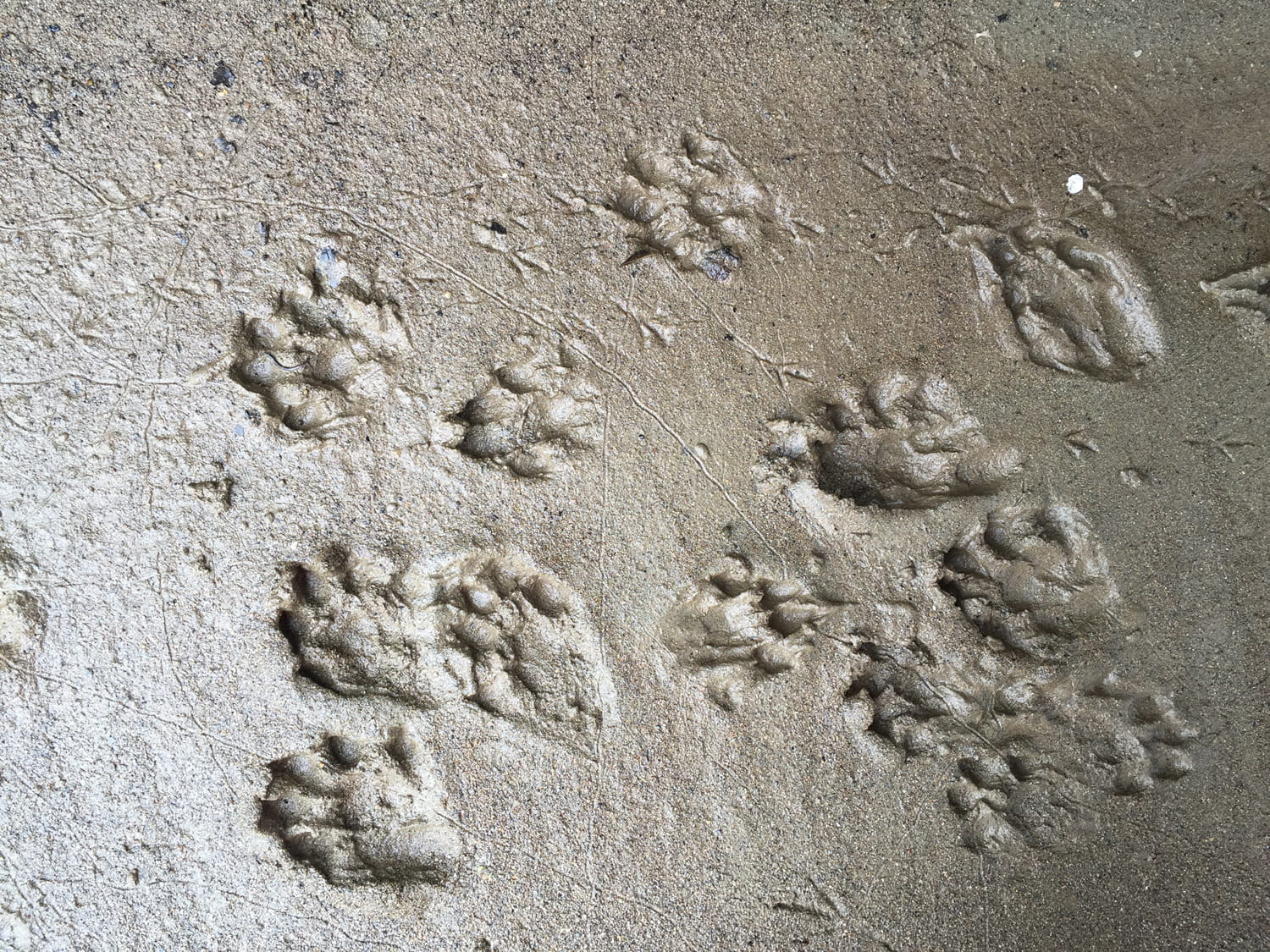
Otter surveys typically begin with a visual assessment of the watercourse to establish habitat suitability. Where suitable habitat is present, a detailed survey is undertaken to identify signs of otter use, including holts, couches, footprints, slides and spraints. Otter surveys can be carried out at any time of year, although vegetation cover, water levels and weather conditions can influence survey effectiveness.
Whitcher Wildlife Ltd surveyors are experienced and fully equipped to undertake otter surveys across a wide range of sites. Surveys may be carried out from the banks, from within the channel where safe to do so, or using kayaks and canoes where this provides safer or more effective access to the watercourse.

Survey Results & Planning Support
Where additional information is required on how otters are using a site, Whitcher Wildlife Ltd can deploy remote camera traps to monitor otter movements along river corridors or around specific structures. This can be particularly useful where works are proposed close to key features or where repeated use of a site needs to be confirmed.
The findings of our otter surveys are presented in a clear and comprehensive report, setting out survey results, assessing the potential impacts of proposed works and providing proportionate recommendations to support the planning or delivery of works.
Why choose Whitcher Wildlife for Otter Surveys?
Whitcher Wildlife Ltd has extensive experience and specialist training in all aspects of otter survey and assessment, allowing us to deliver robust, proportionate advice across a wide range of sites and project types.