
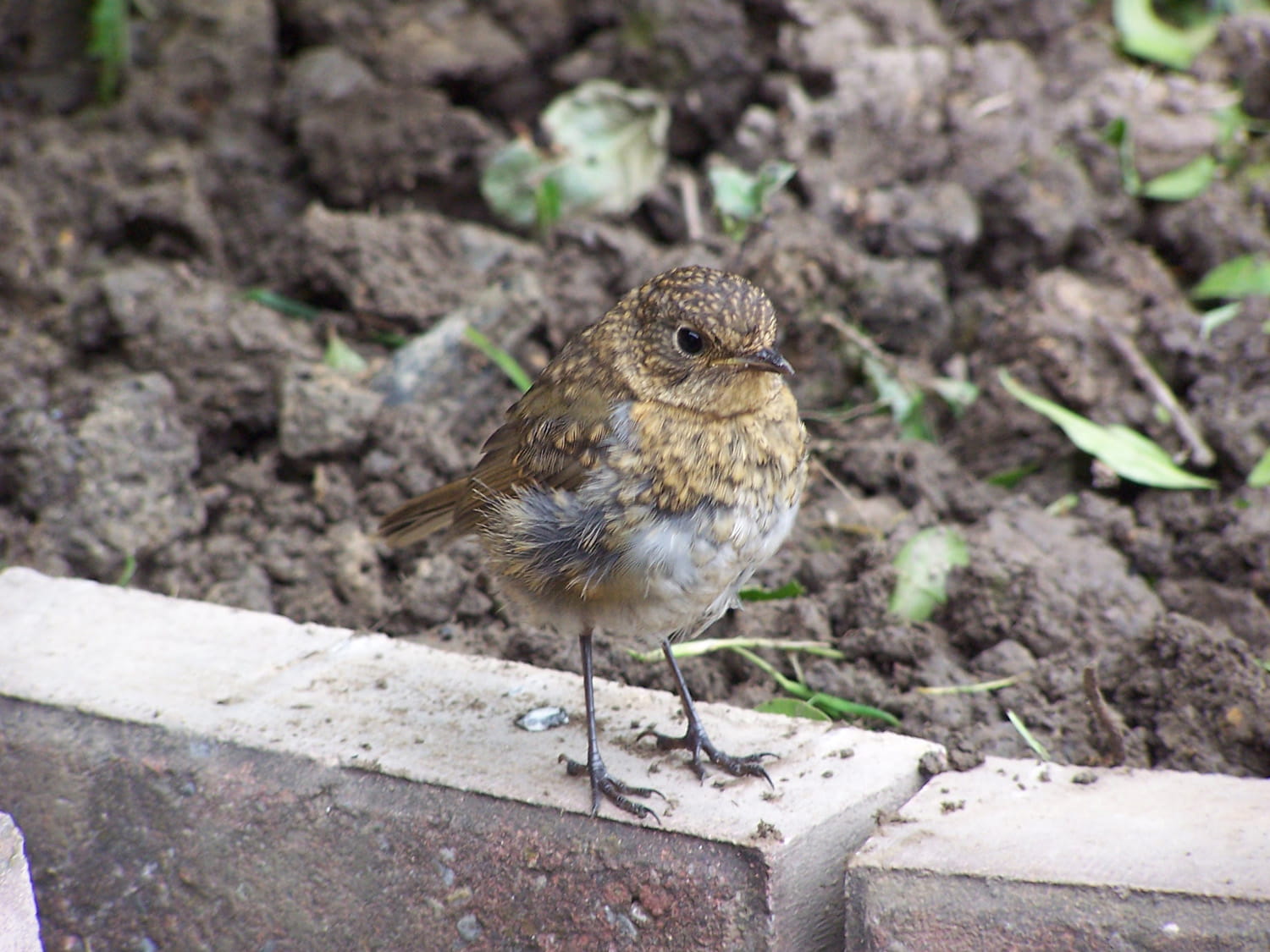
Bird Surveys
What are Bird Surveys?
All wild birds, their nests and eggs are protected under UK legislation. As a result, development and land management works can require bird surveys to ensure that nesting birds are not disturbed and that potential impacts on important bird populations are properly assessed. Early consideration of birds is particularly important, as survey requirements can be seasonally constrained and may influence programme timescales.
Bird surveys take a number of different forms, depending on the nature of the site and the proposed works. The most common requirement is for nesting bird surveys, although breeding bird surveys and winter bird surveys are often needed for larger or more sensitive sites to assess potential longer-term impacts. The survey approach for each site is tailored to the proposals and the bird species likely to be present. An outline of the most common bird survey techniques we undertake is provided below.

Nesting Bird Surveys
Nesting bird surveys are carried out during the nesting season, which typically runs from March to August for most species. Surveys focus on identifying active nests within vegetation, buildings and other suitable structures. Potential nesting areas are observed over a suitable period for bird movements or territorial behaviour, such as repeated flights or calling males, which can indicate the presence of a nest.
Where possible, nests are identified through behavioural cues and field signs without the need to directly observe the nest itself, helping to avoid disturbance. Whitcher Wildlife Ltd surveyors are experienced in carrying out nesting bird surveys across a wide range of habitats and will use the most appropriate methods for each site, including a combination of visual searches and behavioural observations. We also use specialist equipment, such as pole cameras, to safely and accurately establish nesting activity where required.

Breeding and Wintering Bird Surveys
Breeding and wintering bird surveys are commonly required to support Ecological Impact Assessments (EcIAs) as part of larger projects, particularly sites capable of supporting notable bird assemblages. These surveys are designed to provide a more detailed understanding of bird use over time and are tailored to the site and its sensitivities.
Surveys typically involve a combination of walked transects and static monitoring carried out over several months at appropriate times of year. Whitcher Wildlife Ltd will design a proportionate survey methodology to ensure that robust data is collected to inform impact assessment and mitigation design.
The findings of our bird surveys are presented in a clear and comprehensive report, setting out survey results, assessing the potential impacts of proposed works and providing proportionate recommendations to support planning or the delivery of works.

Why choose Whitcher Wildlife for Bird Surveys?
Whitcher Wildlife Ltd has extensive experience across all aspects of bird survey and assessment. Several members of our team hold licences to survey for Barn Owls, a Schedule 1 protected species in England, and our ecologists have strong training and experience in bird identification and survey techniques across a wide range of habitats. This expertise allows us to provide robust, proportionate advice for projects of all scales.