
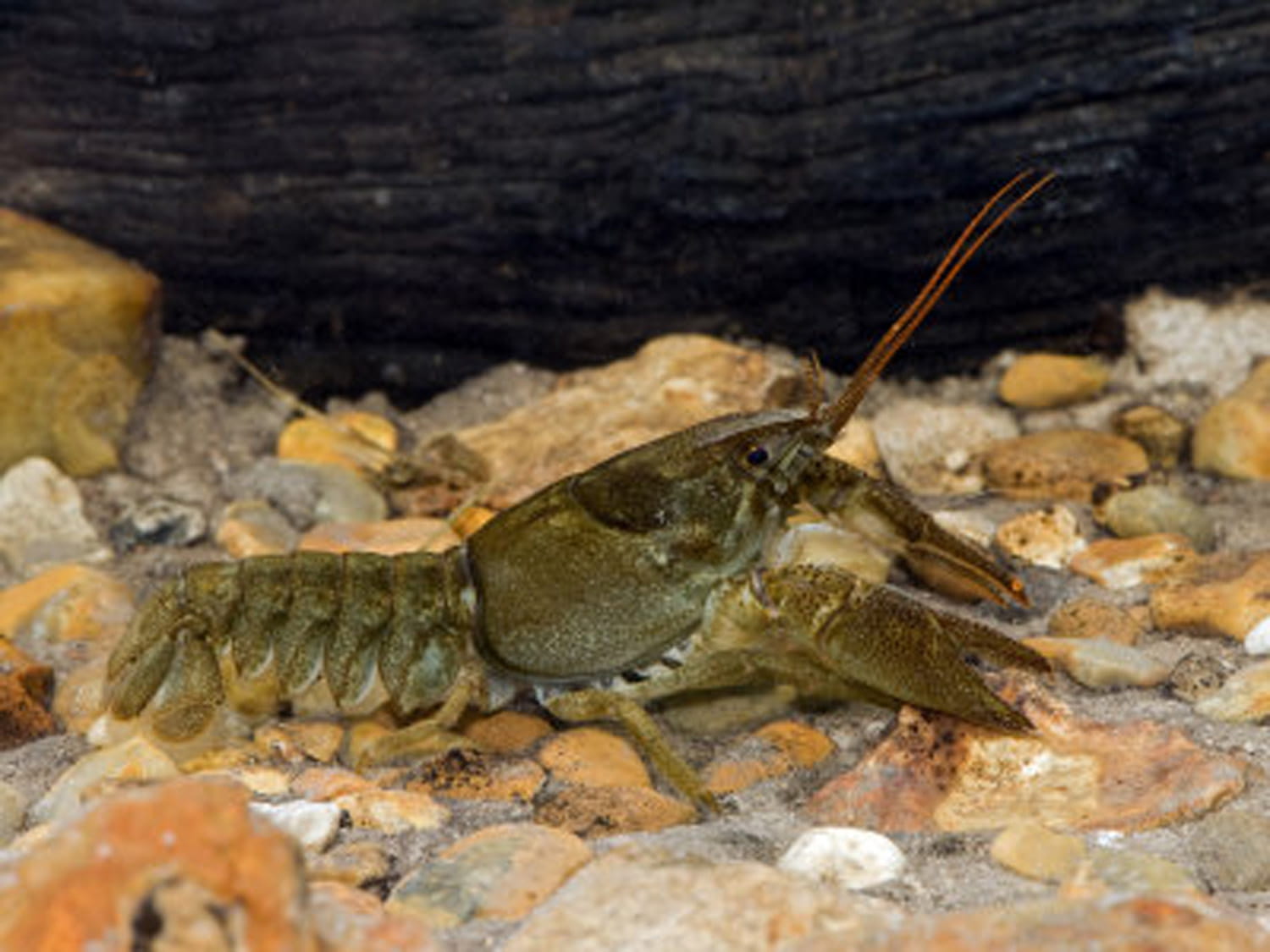
White-Clawed Crayfish Surveys
What are White-Clawed Crayfish Surveys?
White-clawed crayfish are a legally protected species in the UK, with protection covering both the animals and their habitats. As a result, works that may affect watercourses, banks or in-channel habitats often require targeted surveys to establish presence and inform appropriate mitigation. Early assessment helps identify constraints and ensures works can be planned and delivered in compliance with legislation.

Crayfish Survey Approach
White-clawed crayfish surveys are typically carried out following an initial site assessment, which allows the most appropriate survey methodology to be selected for the waterbody in question. Whitcher Wildlife Ltd undertakes crayfish surveys using a range of methods, including detailed hand searches, night-time torch surveys and trapping, depending on water depth, flow conditions and habitat suitability. Surveys are optimally carried out between July and October, avoiding the breeding season and periods of reduced activity during the winter months.

Survey Reporting & Recommendations
Hand searches involve carefully inspecting suitable refuges within the watercourse to directly identify crayfish, with any individuals captured temporarily to allow species identification before being safely returned. Where water depth or conditions prevent effective hand searching, night-time torch surveys or trapping may be used instead. Where trapping is required, Whitcher Wildlife Ltd will obtain the necessary permissions from the Environment Agency or other relevant controlling body prior to deployment.
Our team has experience in delivering all forms of crayfish survey and is fully equipped to assess sites and select the most suitable and proportionate survey approach. The findings of our crayfish surveys are presented in a clear and comprehensive report, setting out survey results, assessing the potential impacts of proposed works and providing proportionate recommendations where required.

Why choose Whitcher Wildlife for White-Clawed Crayfish Surveys?
Whitcher Wildlife Ltd has extensive experience across all aspects of white-clawed crayfish survey and mitigation. Members of our team hold licences to survey for white-clawed crayfish in England, and several are registered under Natural England’s licence to catch and relocate white-clawed crayfish (CL23), allowing us to support maintenance and works within waterbodies where required.